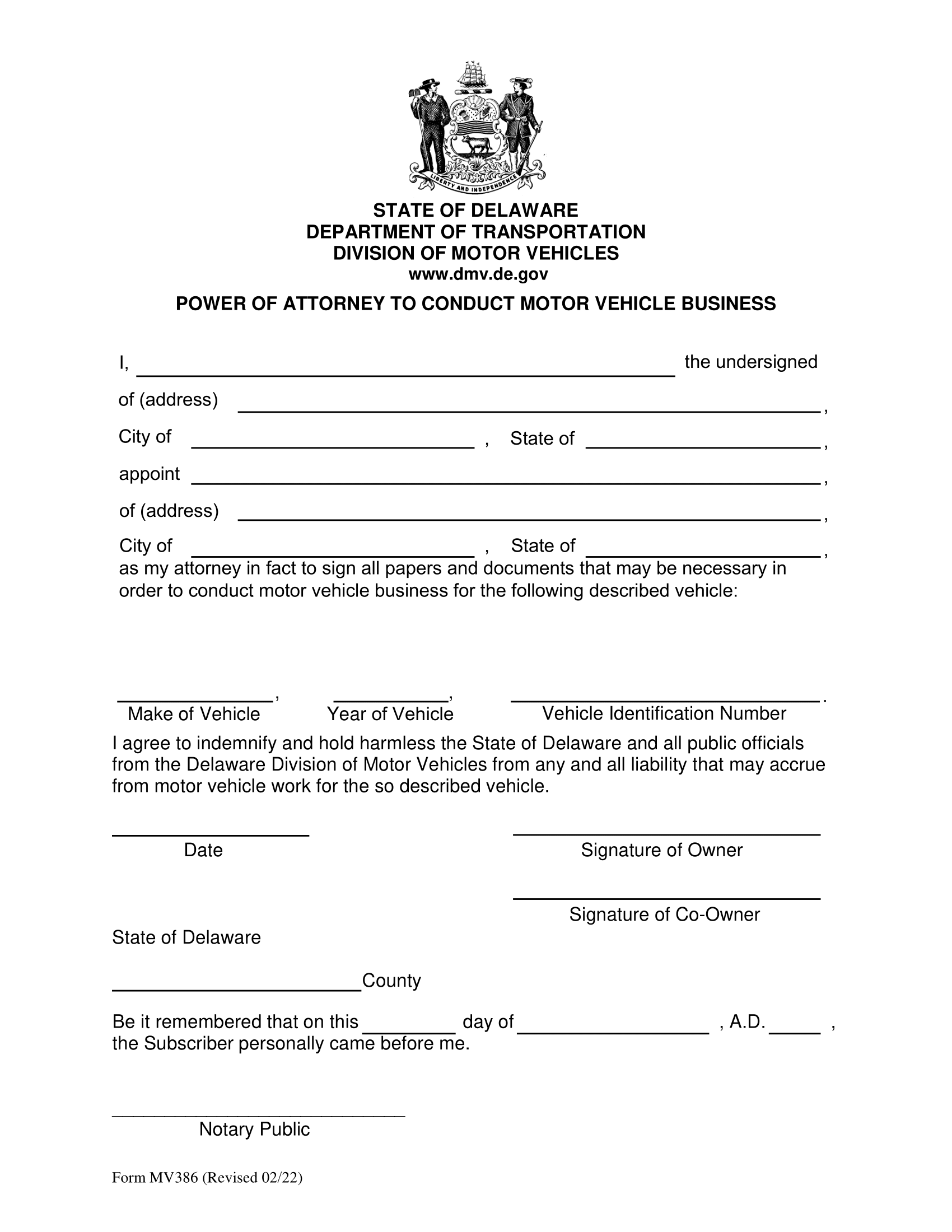
A Motor Vehicle Power of Attorney Type is a lawful paper that authorizes a marked agent to do specific jobs associated with vehicle purchases on behalf of the owner. These tasks can consist of authorizing documents, moving titles, signing up the car, and dealing with various other management matters associated with automobile ownership.
Meaning and Purpose:
At its core, this type makes it possible for lorry proprietors to entrust authority for dealing with motor vehicle transactions when they are unavailable or like not to manage the procedure themselves. Its objective is to offer lawful defense and clarity by clearly defining the extent of the representative’s authority. Key phrases such as lorry POA and auto power of attorney highlight its significance in simplifying car transactions.
Context in Automobile Purchases:
This paper is especially helpful when offering or transferring an automobile, registering adjustments with the DMV, or managing repair work and maintenance in behalf of the proprietor. It ensures that all parties understand the agent’s duty, thereby reducing prospective conflicts and guaranteeing compliance with legal demands.
How to Compose a Motor Vehicle Power of Attorney Form
Preparing a Car Power of Attorney Form needs focus to information and compliance with legal rules to guarantee that the agent’s authority is plainly defined and enforceable.
Crucial Parts:
- Identification of Events: Clearly specify the complete lawful names and contact info of the lorry owner (principal) and the designated agent.
- Vehicle Info: Give detailed details about the automobile, including make, version, year, VIN (Lorry Identification Number), and registration information.
- Extent of Authority: Define the precise powers given to the agent (e.g., transferring the title, registering the automobile, dealing with upkeep arrangements).
- Efficient Day and Period: Suggest when the authority becomes reliable and whether it is short-lived or ongoing.
- Limitations and Conditions: Include any kind of constraints on the representative’s authority to shield the owner’s passions.
- Retraction Clause: Clearly state just how and when the principal can revoke the authority granted in the record.
- Signatures and Notarization: Ensure the type is signed, dated, and notarized (if needed by state legislation) to verify its authenticity.
Read about california automotive power of attorney quick walkthrough At website
Language and Legal Formalities:
Use clear and exact language throughout the record. Expressions such as “I thus authorize” and “this authority will be effective on” aid to develop a clear transfer of powers. Complying with state-specific notarization and witnessing requirements is vital for enforceability.
Tips for Preparing a Reliable Lorry POA
Consider these professional pointers when creating your Motor Vehicle Power of Attorney Type:
Specify and In-depth:
Clearly lay out each power you desire to entrust, including any type of constraints. Thorough summaries assist stay clear of misconceptions and avoid abuse of the authority.
Use Level Language:
While keeping a formal tone, usage uncomplicated language that both the proprietor and agent can quickly recognize. This ensures clarity in legal proceedings and daily purchases.
Seek Advice From Legal Professionals:
If the POA will certainly handle significant transactions or if you’re not sure about state demands, talk to an attorney. Their guidance can aid tailor the file to your details requirements.
Include a Cancellation Process:
A clear cancellation clause is crucial. It provides you the versatility to withdraw the agent’s authority should scenarios alter.
Keep Copies:
Retain copies of the authorized and notarized form for your records. This documentation is crucial for future purchases and in case of conflicts.
Usual Challenges in Automobile POAs
When creating a Motor Vehicle Power of Attorney Form, you might experience numerous difficulties:
Defining the Extent:
Making sure that the record clearly details precisely what actions the agent is authorized to take can be tough. Obscurities can lead to conflicts or unintended effects.
Legal Conformity:
Various states have varying needs regarding powers of attorney for automobile transactions. Making certain that your record meets all these needs is crucial for its legitimacy.
Revocation and Changes:
Including clear instructions for abrogation or changes can be complex. The record should offer adaptability without jeopardizing the agent’s authority when activated.
Threat of Abuse:
Giving broad authority may expose you to potential abuse. It is very important to limit the representative’s powers to only those required for handling specific vehicle-related tasks.
That Requirements a Motor Vehicle Power of Attorney Type
An Automobile Power of Attorney Kind serves for numerous individuals who require help managing vehicle-related deals.
Car Owners:
Owners who are not available or like to entrust management jobs – such as marketing, registering, or preserving their vehicle – can benefit from this kind.
Agents or Representatives:
People designated to act upon behalf of the proprietor need a clear, legitimately binding paper that outlines their authority for vehicle deals.
Dealers and Organizations:
Companies involved in fleet administration or automobile sales might need such forms to license representatives to total deals in behalf of the owner.
When is an Automobile Power of Attorney Form Needed
A Car Power of Attorney Form is generally needed in the adhering to scenarios:
During Lorry Sales or Transfers:
When marketing or moving a car, the owner may authorize a representative to authorize documents and handle the process on their behalf.
For Registration or Title Modifications:
If the proprietor is not able to directly deal with the DMV procedures for upgrading enrollment or titles, a POA allows an agent to finish these jobs.
During Extended Absences:
Proprietors who are momentarily inaccessible – due to take a trip, health problem, or various other reasons – can make use of a POA to make sure that their car’s management tasks are managed in their absence.
Benefits of Using a Motor Vehicle Power of Attorney Type
Using an Automobile Power of Attorney Type supplies a number of benefits:
Lawful Quality and Protection:
It provides a clear, lawfully enforceable document of the authority granted to the agent, safeguarding the rate of interests of both parties included.
Structured Deals:
By passing on details jobs to an agent, the document promotes smoother and extra reliable lorry transactions, such as title transfers and registrations.
Adaptability:
The kind can be customized to consist of just the required powers, making certain that the representative’s authority is limited to details jobs, thus minimizing the threat of abuse.
Assurance:
Recognizing that a relied on agent can handle vehicle-related matters in your absence offers peace of mind and makes certain that important administrative jobs are not overlooked.
Frequently asked questions
Q1: What is an Automobile Power of Attorney Type?
A Motor Vehicle Power of Attorney Form is a legal document that authorizes a marked representative to handle vehicle-related purchases, such as title transfers, registrations, and upkeep, in behalf of the owner.
Q2: Who should utilize a Car Power of Attorney Form?
Automobile owners who are unable to handle their vehicle transactions personally, or that like to delegate these tasks, should utilize this kind. It is likewise vital for agents acting upon behalf of the owner.
Q3: What information is consisted of in an Automobile Power of Attorney Type?
The form normally includes the full names and call information of both the proprietor and the agent, a thorough summary of the automobile (consisting of make, version, year, and VIN), the details powers given, the reliable day, abrogation stipulations, and trademarks. Notarization might additionally be required.
Q4: Why is an Automobile Power of Attorney Form important?
It ensures that the representative’s authority to manage vehicle purchases is lawfully acknowledged, assists in smoother purchases with the DMV and various other entities, and safeguards the rate of interests of both the owner and the agent by clearly outlining the scope of authority.